Difference between revisions of "Human earth shapers/ETHS101/Earthsystems/Overview"
From WikiEducator
| Line 18: | Line 18: | ||
<gallery mode="packed"> | <gallery mode="packed"> | ||
| − | File:Aerial-SanAndreas-CarrizoPlain.jpg|Geosphere | + | File:Aerial-SanAndreas-CarrizoPlain.jpg|Geosphere|link=https://wikieducator.org/Human_earth_shapers/ETHS101/Earthsystems/Geosphere |
| − | File:Sky and Sea. by Aube Insanite.jpg| | + | File:Sky and Sea. by Aube Insanite.jpg|Hydrosphere|link=https://wikieducator.org/Human_earth_shapers/ETHS101/Earthsystems/Hydrosphere |
| − | File:Tasmanian Forest.by Greg Jordan.jpg|Biosphere | + | File:Tasmanian Forest.by Greg Jordan.jpg|Biosphere|link=https://wikieducator.org/Human_earth_shapers/ETHS101/Earthsystems/Biosphere |
| − | File:Bradshaw rock paintings.jpg|Humansphere | + | File:Bradshaw rock paintings.jpg|Humansphere|link=https://wikieducator.org/Human_earth_shapers/ETHS101/Earthsystems/Humansphere |
</gallery> | </gallery> | ||
Revision as of 03:54, 3 June 2019
Earth Systems Overview


Geosphere
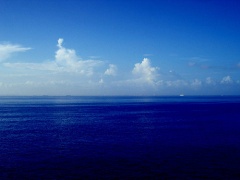
Hydrosphere
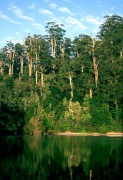
Biosphere

Humansphere